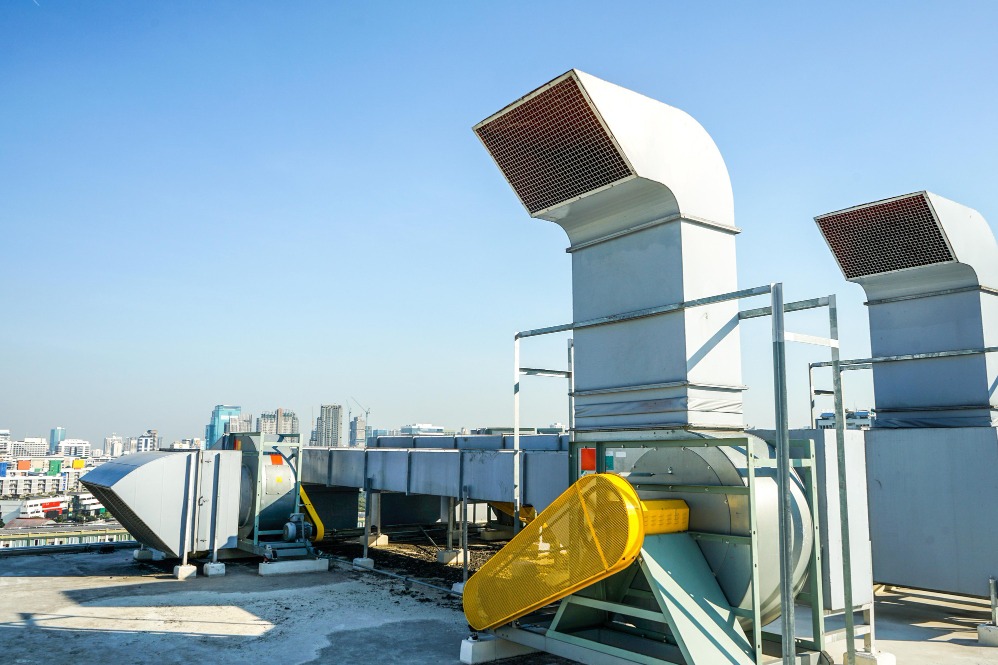
An industrial exhaust system may work effectively when first installed, but changes in production, machinery, working hours or facility layout can gradually alter ventilation requirements. When heat, fumes, dust or processed air are no longer being removed efficiently, upgrading the existing arrangement may be more practical than continuing with repeated minor repairs.
For industrial facilities in Bengaluru, Karnataka, an exhaust upgrade should begin with an assessment of the complete airflow arrangement rather than simply replacing the existing fan with a larger unit.
Check Whether Extraction Performance Has Declined
One of the clearest reasons to review an exhaust system is noticeable deterioration in extraction.
Facility managers may observe:
- Fumes lingering around work areas
- Heat accumulating during production
- Smoke spreading beyond the extraction zone
- Dust escaping from capture points
- Strong process odours remaining indoors
- Uneven airflow across different sections
- Fans operating continuously without adequate extraction
These symptoms can have several causes, so identifying the source of the problem is important before purchasing new equipment.
Review Changes in Production Capacity
Ventilation systems are normally designed around particular operating conditions.
If production output has increased significantly, the original system may no longer provide sufficient extraction. Additional machinery can also introduce new sources of heat, fumes or airborne contaminants.
Before upgrading, compare current production conditions with those that existed when the ventilation system was initially designed.
This can reveal whether the problem is equipment deterioration or simply increased ventilation demand.
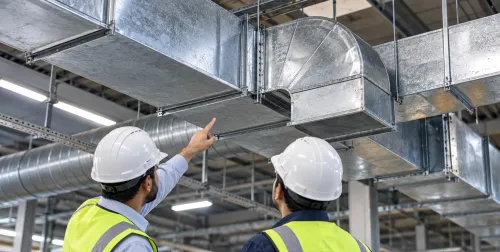
Inspect Existing Duct Work
The fan is only one component of an exhaust arrangement.
Damaged, restricted or poorly modified duct work can reduce effective airflow even when the exhaust equipment itself is functioning correctly.
Inspect the network for:
- Accumulated dust or grease
- Damaged duct sections
- Air leakage at joints
- Excessive bends
- Closed or damaged dampers
- Poorly designed extensions
- Unused branches
- Inadequate duct dimensions
If production areas have been expanded over time, multiple duct modifications may have created additional resistance that was not part of the original design.
Evaluate the Existing Fan or Blower
A ventilation upgrade does not automatically require a larger motor.
The existing axial fan or centrifugal blower should be assessed against the current airflow and static-pressure requirements of the system.
A larger blower connected to unsuitable ducting may increase noise and energy consumption without solving the underlying extraction problem.
Equipment should therefore be matched to the resistance created by the complete network.
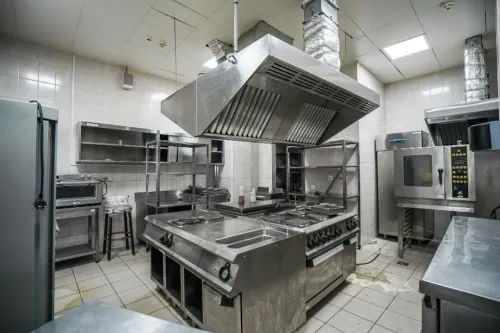
Look at Capture Points
Effective industrial exhaust begins where contaminants are generated.
If a hood or extraction opening is too far from the source, fumes may disperse into the surrounding workspace before they are captured.
Review whether production changes have altered the position of machinery relative to existing extraction points.
Sometimes relocating or redesigning the capture arrangement can provide a more meaningful improvement than increasing overall fan capacity.
Check the Fresh-Air Supply
Every exhaust system removes air from the building, and that air needs to be replaced.
Insufficient replacement air can create negative pressure and reduce the effectiveness of extraction equipment.
An upgrade is therefore a good opportunity to assess whether a fresh air system is required or whether existing supply arrangements need improvement.
The goal should be controlled airflow through the workspace rather than uncontrolled air entering through doors and structural gaps.
Consider Energy Use During the Upgrade
Industrial ventilation equipment can operate for many hours each day.
When upgrading a system, businesses should consider both extraction performance and long-term electricity consumption.
Correct equipment sizing, suitable duct dimensions and reduced unnecessary resistance can help avoid wasting energy on airflow that does not contribute effectively to ventilation.
Plan for Easier Maintenance
Older ventilation systems are sometimes difficult to clean because inspection points and equipment access were not adequately considered during installation.
An upgrade provides an opportunity to improve accessibility.
Filters, blowers, ducts, dampers and other serviceable components should be positioned so routine inspection can be performed without unnecessary disruption.
Upgrade Based on Actual Site Conditions
Industrial facilities across Bengaluru vary considerably in building layout, manufacturing processes and ventilation demand. A solution that works for one factory may not be suitable for another.
Dsv Air System works with industrial ventilation and airflow requirements where existing exhaust arrangements can be evaluated alongside ducting, blowers and replacement-air requirements.
An exhaust system upgrade should address the reason performance has declined rather than simply increasing equipment capacity. Reviewing production changes, duct resistance, capture points, fan performance and fresh-air availability helps businesses identify improvements that are better aligned with current operating requirements.