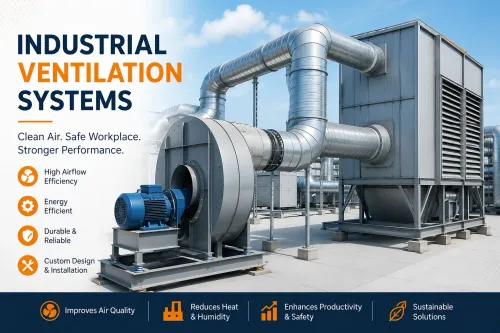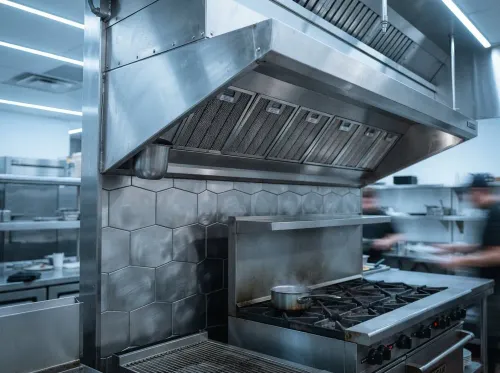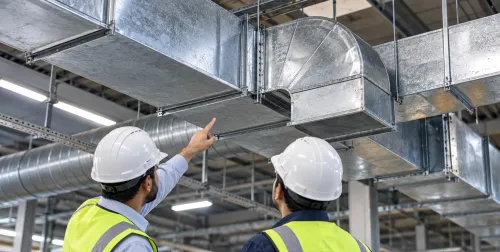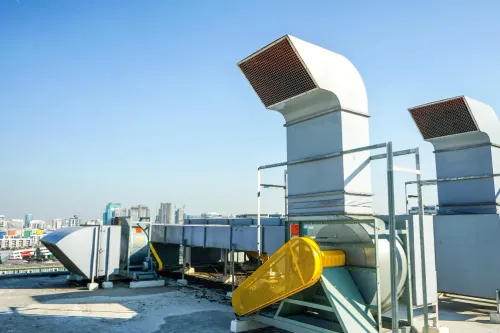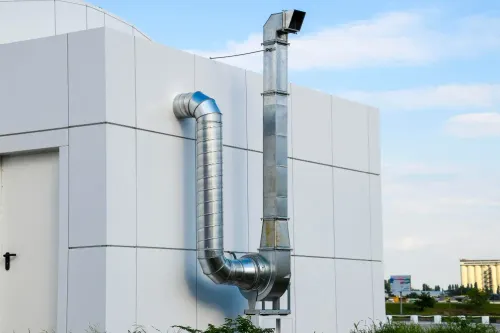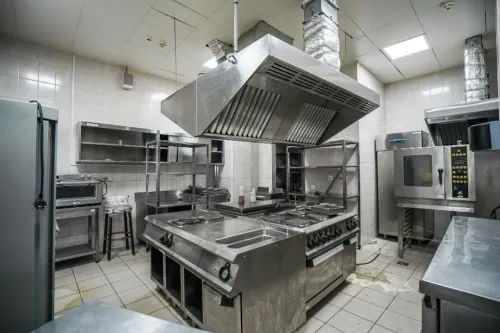
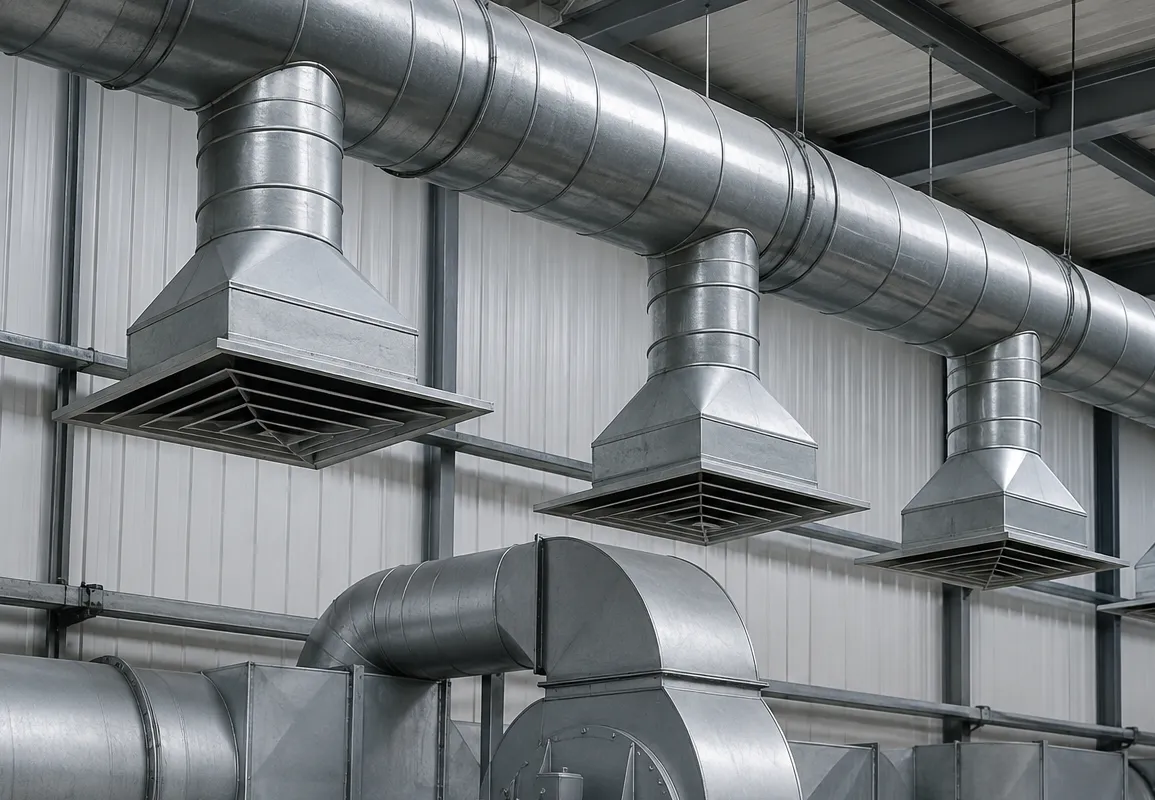
An industrial ventilation system directly affects contaminant control, employee comfort, equipment conditions and energy consumption. Dsv Air System manufactures ventilation solutions that integrate hoods, duct work, axial flow fans, centrifugal blowers, fresh-air supply and exhaust discharge components.
The right manufacturer should be able to translate process conditions into a practical airflow system. A quotation based only on floor area or fan capacity may overlook the actual source of fumes, heat or dust.
Does the Manufacturer Conduct a Site Assessment?
A site assessment helps identify where contaminants originate, how they move and what prevents their capture. It also reveals installation challenges such as low roofs, restricted service space and nearby fresh-air intakes.
During an assessment, the manufacturer should review:
- Production processes
- Heat and contaminant sources
- Existing ventilation equipment
- Worker positions
- Building dimensions
- Natural airflow openings
- Possible duct routes
- Safe outdoor discharge points
- Maintenance access
- Future production expansion
These observations provide the basis for a more accurate system recommendation.
Choosing a Ventilation Manufacturer in Bengaluru
Industrial units in Bengaluru, Karnataka, include machine shops, fabrication facilities, food-processing units, warehouses and specialised production environments. Each operation generates different ventilation requirements.
A manufacturer familiar with local industrial layouts should be able to coordinate equipment around existing utilities and production schedules. It should also plan outdoor installations with suitable weather protection and structural supports.
Proximity alone should not decide the selection, but accessible project coordination can be valuable during measurement, installation, testing and future modifications.
Can the Manufacturer Explain the Design?
The proposed solution should be understandable. Buyers should receive clear information about why a certain fan, blower, hood or duct size has been recommended.
Ask for explanations regarding:
- Required airflow volume
- Estimated system resistance
- Fan or blower selection
- Duct dimensions and material
- Hood position and capture method
- Fresh-air replacement
- Filter requirements
- Exhaust discharge location
- Noise and vibration control
- Maintenance provisions
A technically suitable proposal should connect each component to a specific operating need.
Are the Components Properly Matched?
Ventilation equipment should not be selected independently. A well-made SS hood will still perform poorly if the blower cannot overcome duct resistance. A powerful exhaust system may create pressure problems when replacement air is inadequate.
The manufacturer should coordinate the complete system, including:
- Source-capture hoods
- Duct work and dampers
- Centrifugal blowers or axial flow fans
- Filters or air-cleaning equipment
- Fresh-air supply
- SS chimney or final discharge
- Electrical controls
- Vibration isolation
Component compatibility is a strong indicator of reliable system planning.
What Support Is Available After Installation?
Ventilation performance should be checked after installation. The manufacturer should verify fan rotation, inspect joints, adjust dampers and assess airflow at important supply or extraction points.
Ask whether support is available for:
- Airflow balancing
- Noise or vibration correction
- Filter replacement guidance
- Routine maintenance
- Breakdown assistance
- Duct cleaning access
- Capacity expansion
- System modifications
Documentation such as equipment details, operating guidance and maintenance schedules can also improve long-term system management.
Compare Value, Not Only Price
The lowest quotation may exclude important items such as supports, wiring, balancing dampers, access doors or fresh-air arrangements. These omissions can create additional costs after installation begins.
Compare proposals using the same scope, performance requirement and material specification. Energy use, maintenance access and equipment durability should be considered alongside the initial price.
For a coordinated industrial ventilation solution, share your process details and facility layout with Dsv Air System. A site-based evaluation can help determine the right combination of extraction, fresh-air supply and discharge equipment.
Keywords