Industrial facilities generate heat, fumes, smoke, dust, vapours and airborne contaminants during everyday operations. Without an effective exhaust system, these pollutants can remain trapped inside the workspace and affect comfort, equipment performance and overall working conditions.
For factories and commercial facilities in Bengaluru, Karnataka, ventilation planning is especially important where manufacturing processes operate for long hours or where enclosed spaces experience significant heat buildup.
What Does an Industrial Exhaust System Do?
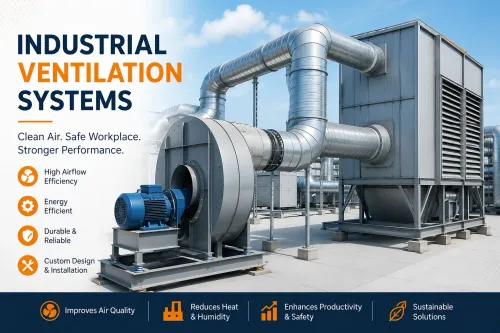
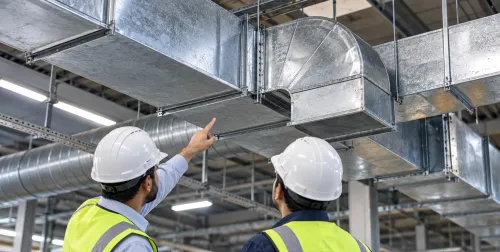
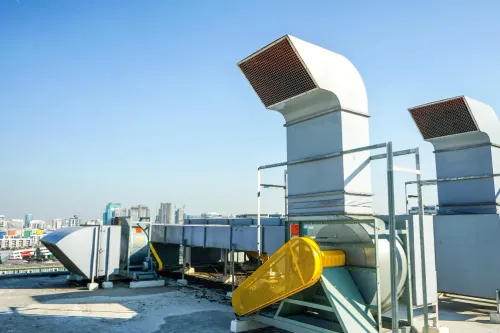
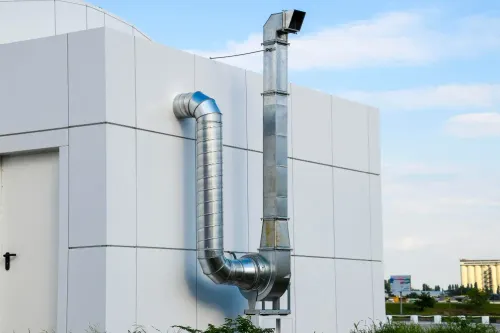
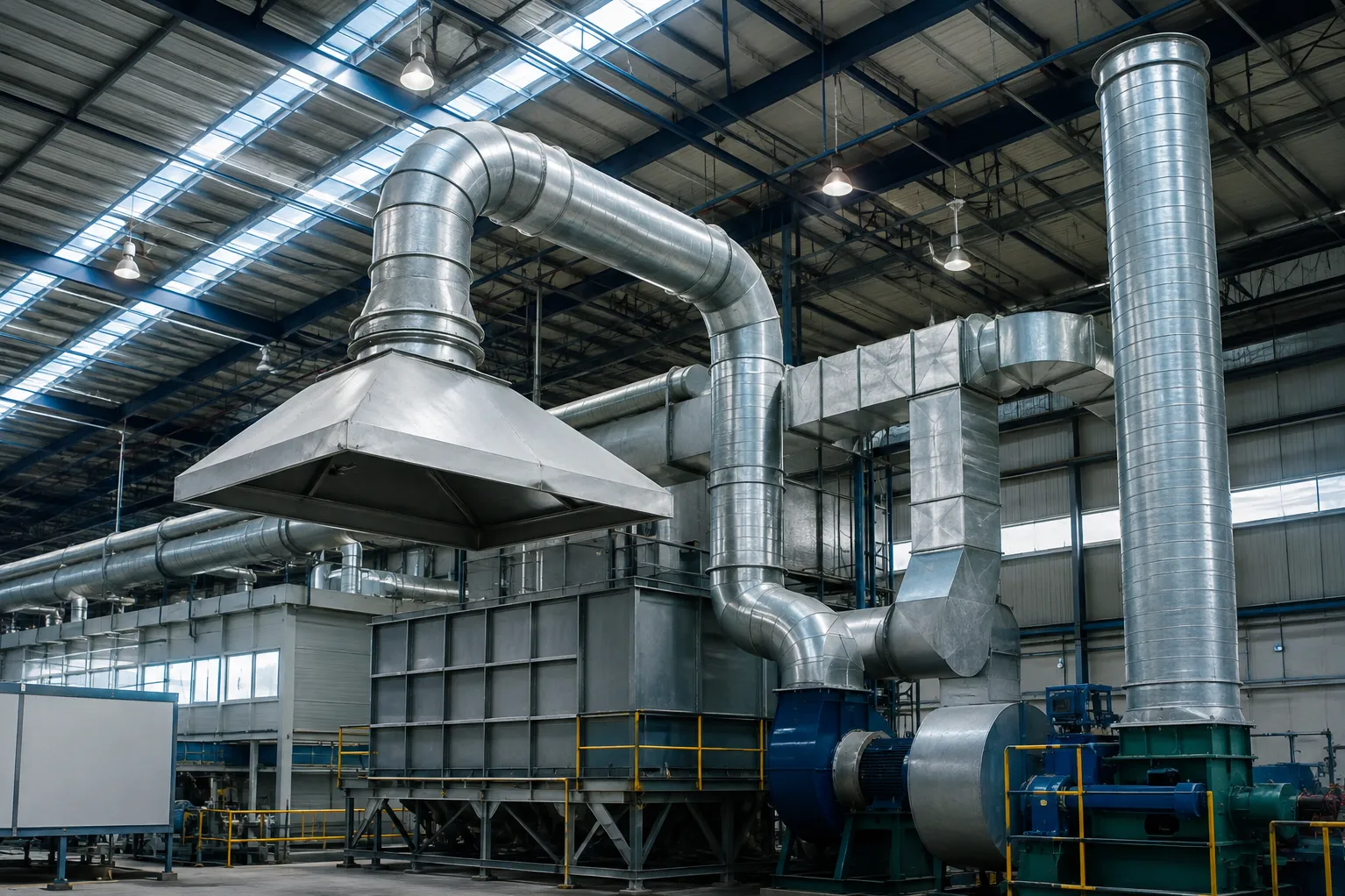
An exhaust system removes contaminated or heated indoor air and directs it outside through a planned airflow path. Depending on the application, the system may include hoods, ducts, blowers, fans, filters and chimneys.
The basic process involves:
- Capturing contaminated air close to its source
- Moving the air through properly sized ducting
- Maintaining adequate airflow using fans or blowers
- Filtering contaminants when required
- Discharging extracted air at an appropriate location
Capturing pollutants near the point where they are generated is generally more effective than allowing them to spread throughout a large workspace.
Where Exhaust Systems Are Commonly Used
Different industrial activities create different ventilation challenges. An exhaust arrangement should therefore reflect the actual process rather than follow a standard design for every building.
Common applications include:
- Manufacturing plants
- Welding and fabrication areas
- Paint shops
- Commercial kitchens
- Chemical processing areas
- Generator rooms
- Production floors
- Warehouses
- Machine shops
- Heat-producing equipment areas
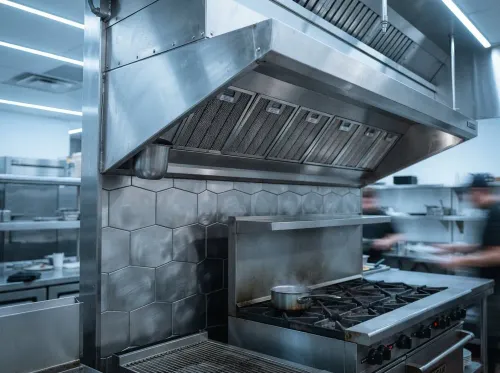
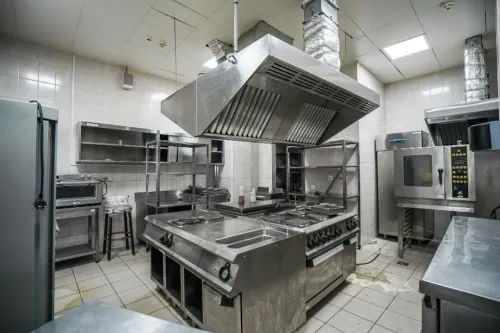
Commercial kitchens, for example, require effective removal of heat, grease-laden vapours and cooking fumes. Manufacturing operations may instead need extraction for process heat, dust or fumes.
Why Airflow Planning Matters
Simply installing a powerful fan does not guarantee effective ventilation.
Air follows the path created by pressure differences. Poorly positioned exhaust points can leave stagnant zones where contaminants continue accumulating. Similarly, extracting large quantities of air without providing replacement air can create excessive negative pressure.
Effective planning considers the complete airflow path, including where clean air enters, where contaminants originate and where extracted air is discharged.
Signs That Existing Exhaust May Be Inadequate
Facility managers should pay attention to practical indicators such as:
- Persistent indoor heat
- Visible smoke or fumes
- Strong process odours
- Condensation in certain areas
- Stuffy working zones
- Grease accumulation around kitchen equipment
- Air moving in unintended directions
- Uneven ventilation across the facility
These symptoms do not automatically identify the exact cause. A site assessment is usually required because the problem may involve fan capacity, duct sizing, blocked filters, poor hood positioning or inadequate fresh-air provision.
Maintenance Is Part of Ventilation Performance
Even a properly designed system can lose efficiency if maintenance is neglected.
Ducts can accumulate deposits, filters can become clogged and fan components may deteriorate over time. Commercial kitchen systems require particular attention because grease deposits can build up inside extraction components.
Regular inspection helps identify restrictions before they significantly affect airflow.
A System Should Be Designed Around the Facility
Bengaluru has a broad mix of manufacturing units, restaurants, warehouses and commercial properties, each with different ventilation requirements. Building dimensions, machinery layout, operating hours and contaminant type can all influence the appropriate solution.
Industrial ventilation specialists such as Dsv Air System assess these practical factors when planning air-management arrangements for local facilities.
An effective exhaust system is ultimately more than a fan connected to a duct. It is a coordinated airflow arrangement designed to capture unwanted air, transport it efficiently and support better conditions throughout the facility.
Keywords