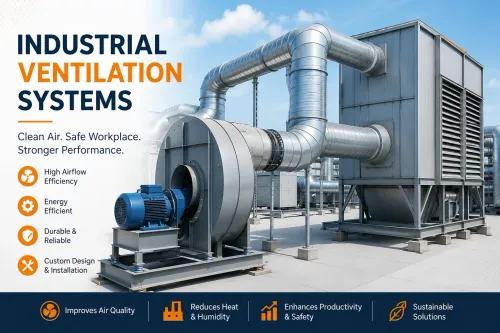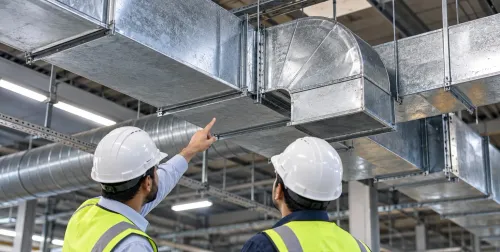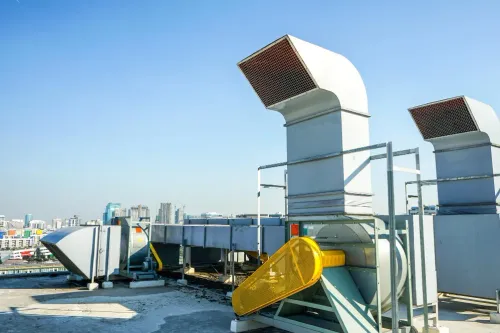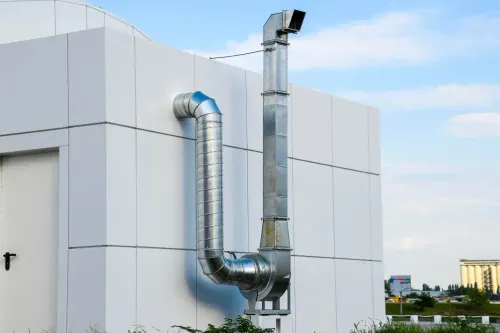
Factories can feel hot, stuffy or dusty even when exhaust fans are running continuously. Dsv Air System manufactures fresh air systems that replace extracted or stale indoor air with a controlled supply of cleaner outdoor air.
A factory may need a new system when production conditions have changed, occupancy has increased or the existing ventilation arrangement no longer maintains balanced airflow. Recognising these signs early can prevent comfort complaints, inconsistent exhaust performance and unnecessary strain on cooling equipment.
Persistent Stuffy or Uncomfortable Air
A production area that feels stale soon after the workday begins may not be receiving enough outdoor air. Employees may report discomfort, heaviness or excessive heat, particularly in enclosed sections.
Opening doors or windows may offer temporary relief, but it does not provide controlled distribution. Outdoor dust, noise and rain can enter, while some work zones may still receive very little air movement.
A properly planned fresh air system supplies filtered outdoor air through designated points so it reaches the required areas more consistently.
Exhaust Fans Are Creating Negative Pressure
Exhaust systems remove air from the building. When that air is not replaced, negative pressure develops indoors.
Common signs include:
- Doors becoming difficult to open
- Air rushing through small gaps
- Outdoor dust entering around shutters
- Exhaust hoods losing capture efficiency
- Odours moving between departments
- Whistling sounds near doors or windows
A fresh air system provides controlled replacement air and helps restore pressure balance.
Fresh Air System Planning for Bengaluru Factories
Manufacturing facilities in Bengaluru, Karnataka, may experience changing ventilation demands as production lines expand or buildings are modified. A system designed for the original facility may not be adequate after new machines, partitions or work shifts are introduced.
The assessment should consider current occupancy, process heat, exhaust volume and available outdoor-air intake locations. Fresh-air intakes should be positioned away from chimneys, vehicle emissions, waste areas and contaminated exhaust outlets.
Seasonal rain and outdoor dust should also be considered while designing intake louvers, filtration and weather protection.
Heat Accumulates Around Machinery
Machines, motors, ovens and production processes release heat into the workspace. When hot air remains trapped near the ceiling or around equipment, indoor temperatures can rise even if general fans are operating.
Fresh-air supply can help replace warm indoor air, particularly when coordinated with high-level exhaust. However, the air should be distributed without disrupting local exhaust hoods or blowing contaminants towards employees.
Existing Airflow Is Uneven
Some factory zones may receive strong airflow while enclosed corners remain stagnant. This can happen after partitions, storage racks or equipment are added without modifying the ventilation layout.
An updated system may require:
- Additional supply points
- Revised duct routing
- Air-balancing dampers
- Larger or separate fans
- High-level and low-level air distribution
- Dedicated supply for enclosed process areas
Airflow measurements can identify areas that receive less air than intended.
Filters Require Constant Attention
Rapidly clogging filters may indicate that the intake is located in a dusty area or that the filter type is unsuitable. A poorly positioned intake can bring avoidable contamination into the facility.
Rather than repeatedly replacing filters, the intake location, filtration stages and face velocity should be evaluated. Maintenance access should also be improved if filters are difficult to inspect or replace.
What to Assess Before Replacement
Before investing in a new system, record the factory layout, operating shifts, number of occupants, heat sources and exhaust capacities. This helps determine whether the existing system needs complete replacement or targeted modifications.
Dsv Air System can assess fresh-air requirements and manufacture a system suited to the facility’s present operating conditions. Arrange a ventilation assessment to identify the appropriate airflow, filtration and distribution arrangement for your factory.
Keywords