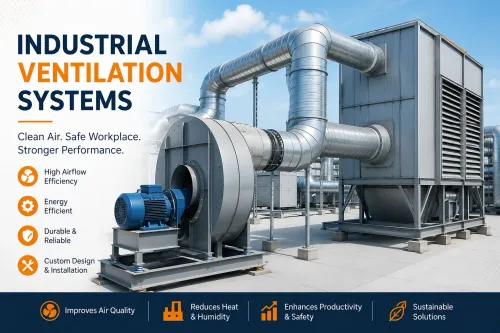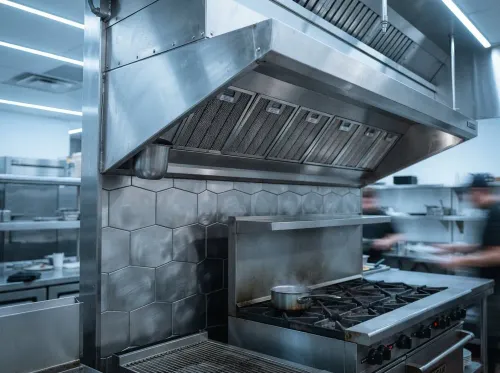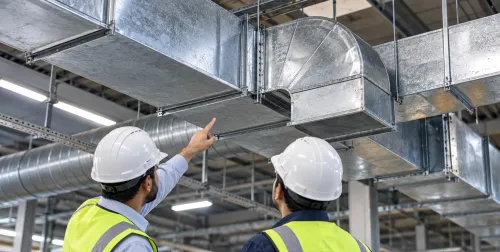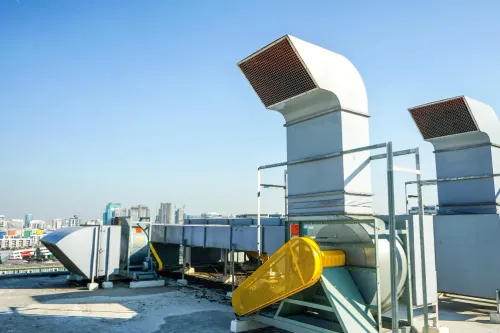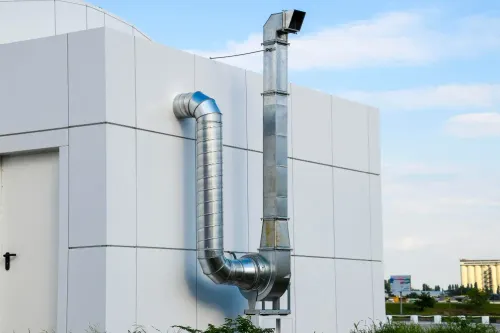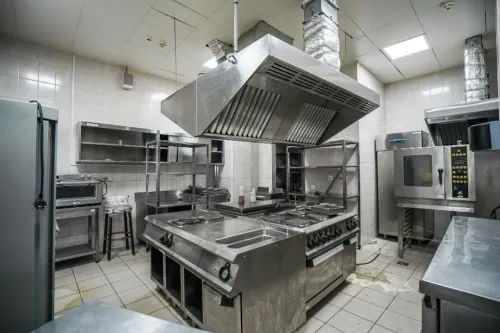
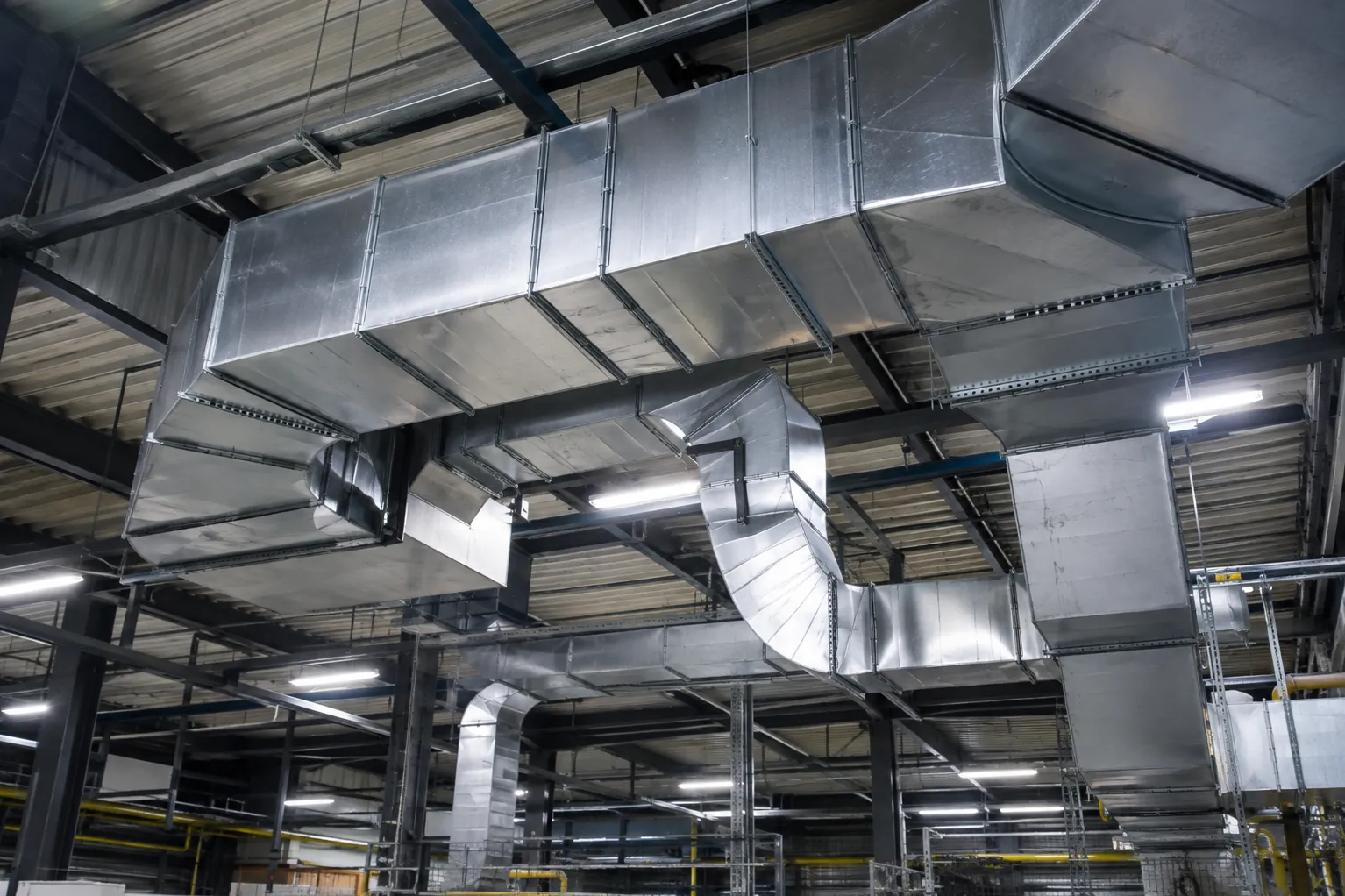
Ducts may appear to be simple passages for moving air, but their dimensions, routing and installation quality can significantly affect the performance of an industrial ventilation system. Poor duct work can restrict airflow even when a suitable fan or blower has been installed.
This makes duct design an important consideration for factories, commercial kitchens, warehouses and industrial properties across Bengaluru, Karnataka.
Understanding the Role of Duct Work
Ducting connects different components of a ventilation system and provides a controlled route for air movement.
Depending on the system, ducts may transport:
- Hot air
- Smoke
- Process fumes
- Dust-laden air
- Kitchen exhaust
- Fresh replacement air
- General ventilation air
The duct network must allow the required quantity of air to travel through the system without creating unnecessary resistance.
Why Duct Size Is Important
A duct that is too small can result in excessive air velocity and pressure loss. This may increase noise, place additional demand on the fan and reduce airflow at the extraction point.
Oversized ducting can create different concerns, including unnecessary space requirements and unsuitable air velocities for certain applications.
Correct sizing therefore depends on airflow requirements rather than simply choosing a convenient duct diameter.
Routing Can Influence System Efficiency
Industrial buildings often have structural beams, machinery, piping, electrical installations and limited ceiling space. Duct routes must navigate these constraints.
However, excessive bends and abrupt transitions can increase resistance.
Good routing generally aims to:
- Keep unnecessary bends to a minimum
- Use suitable transitions between duct sizes
- Provide adequate support
- Avoid avoidable restrictions
- Allow access for inspection
- Position outlets appropriately
- Coordinate ducts with existing services
Careful planning before fabrication can prevent complicated modifications during installation.
Leakage Can Reduce Useful Airflow
Poor joints and damaged duct sections can allow air to escape before it reaches its intended destination.
In an exhaust application, leakage may reduce extraction performance. In a fresh-air system, conditioned or filtered air may be lost before reaching occupied areas.
Quality fabrication and proper joint sealing are therefore important parts of installation.
Material Selection Depends on the Application
Not every ventilation network requires the same duct material.
The appropriate choice can depend on temperature, moisture, contaminants, hygiene requirements and environmental exposure. Industrial applications may use galvanized steel, stainless steel or other suitable materials based on operating conditions.
Commercial kitchens, for instance, have different requirements from a warehouse requiring general ventilation.
Maintenance Access Should Not Be Forgotten
Duct systems may require cleaning or inspection during their operating life. Designing a network without considering accessibility can make future maintenance unnecessarily difficult.
This is particularly relevant where grease, dust or particulate matter may accumulate.
Facility managers should consider whether:
- Important sections can be inspected
- Cleaning points are accessible
- Filters can be serviced
- Fan connections can be reached
- Accumulated deposits can be removed safely
Better Ducting Supports the Entire Ventilation System
Businesses in Bengaluru often focus first on selecting a fan or blower. While equipment capacity is important, the connected duct network determines how effectively that capacity is used.
Dsv Air System works with industrial ventilation requirements where duct layout, extraction equipment and air distribution need to function as one coordinated arrangement.
Proper duct work helps reduce unnecessary resistance, supports predictable airflow and makes ventilation systems easier to operate and maintain. Treating ducting as an engineered part of the system rather than an afterthought can make a substantial difference to long-term ventilation performance.
Keywords